Why Placer & El Dorado Foothill Homes Are Exposed
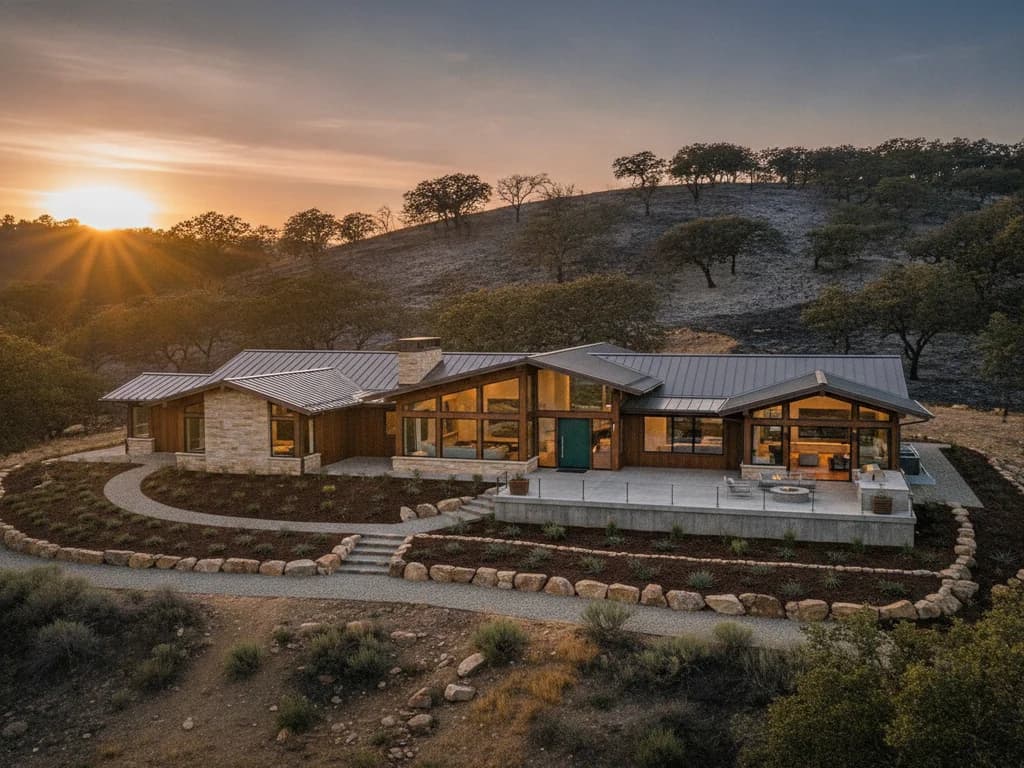
The oak-and-pine foothills of Placer and El Dorado County are some of the most desirable — and most fire-exposed — places to live in Northern California. Communities from Auburn and Meadow Vista up through Cool, Pilot Hill, Cameron Park, and El Dorado Hills sit squarely in the Wildland-Urban Interface (WUI), where homes meet grass, brush, and timber. Most homes lost in a wildfire here are not overrun by a wall of flame; they ignite from wind-blown embers that travel a mile or more ahead of the fire and collect in gutters, vents, and against the base of a wall.
Be honest about what hardening does: no home is "fireproof," and no upgrade eliminates wildfire risk. What a hardened home does is reduce the risk of ignition so your house has a meaningfully better chance of surviving when embers arrive and crews cannot be everywhere. California's Building Code Chapter 7A requires ignition-resistant materials for new construction in WUI zones; for the older ranch and custom homes common in the foothills, those same standards make an excellent voluntary roadmap.
These nine steps run roughly in the order fire officials prioritize them — starting at the ground and working up. For authoritative guidance, keep Cal Fire's readyforwildfire.org and the Office of the State Fire Marshal bookmarked.
1. Clear the First 5 Feet (Zone 0)
The ember-resistant zone does the most work for the least money
Cal Fire calls the first 5 feet around your home Zone 0, the ember-resistant zone, and on a foothill lot it is the single highest-value thing you can address. Embers that land in a clean, noncombustible band next to the wall have nothing to catch. Pull bark mulch, dead leaves, and juniper or manzanita right against the foundation — these are among the most flammable landscape fuels in the Placer and El Dorado foothills.
Replace that band with gravel, decomposed granite, or hardscape, and move firewood, propane tanks, and combustible patio furniture well away from the walls. If a wood fence ties directly into the house, swap the last several feet for metal or masonry so it cannot wick fire to the siding.
2. Retrofit Vents Against Embers
Unscreened vents are an open door into the attic
Attic, gable, soffit, and crawlspace vents are designed openings that lead embers straight into the most combustible part of the house. Chapter 7A and Cal Fire both call for listed ember-resistant WUI vents, or at minimum existing vents retrofitted with 1/8-inch noncombustible metal mesh — never plastic or fiberglass screening, which melts.
This is one of the cheapest, highest-impact retrofits on any foothill home. Prioritize the vents facing the wildland and the direction of the prevailing fire-season winds, which in much of Placer and El Dorado County push from the north and east during a Diablo or foehn-wind event.
3. Confirm a Class A Roof and Clean Gutters
The roof is your largest ember-catch surface
The roof is the biggest horizontal target on the house, and embers pool in valleys, behind chimneys, and in gutters. A Class A fire-rated roof — asphalt composition, metal, or concrete/clay tile — is the baseline. If you still have older wood shake, replacing it is the highest-impact hardening project you can undertake in the foothills.
Just as important, keep gutters free of oak leaves and pine needles. A gutter packed with dry conifer litter is a perfect ember catch against the roof edge, and under the ponderosa and gray pine common around Auburn and Georgetown, that debris returns fast. Metal gutter guards cut down on the maintenance.
4. Upgrade to Ignition-Resistant Siding
Noncombustible walls give embers nothing to grab
Embers pile up at the base of exterior walls, so the lower few feet of siding matter most. Ignition-resistant siding — fiber cement such as James Hardie, stucco, or metal — resists ignition far better than aged wood or vinyl, which can melt or burn. Fiber cement is our most-recommended material across the foothills because it also handles the region's swing from wet winters to bone-dry, high-UV summers without warping.
We cover the trade-offs in our wildfire-resistant siding guide and compare materials in our fiber cement vs. vinyl vs. engineered wood comparison. For installation, see our James Hardie siding and siding installation pages.
5. Replace Single-Pane Windows
Radiant heat can break glass before the wall ever ignites
Windows are a hidden weak point. Radiant heat from burning vegetation or a neighboring structure can crack single-pane glass and let fire inside before the wall itself catches. Chapter 7A calls for dual-pane windows with at least one pane of tempered glass, which resists heat-driven breakage far better.
Prioritize windows facing the wildland and downslope canyons — a common exposure on the terraced lots around El Dorado Hills and Cameron Park. Because the same project can also satisfy the energy code, it is worth coordinating with our window replacement service to hit both goals at once.
6. Enclose Open Eaves and Soffits
Open eaves trap rising heat and embers against the roof
Many older foothill homes have open eaves with exposed rafter tails and sheathing. During a fire, rising heat and embers get trapped in that pocket right where the wall meets the roof — one of the most common ignition points on a house. Enclosing (boxing in) the eaves with noncombustible or ignition-resistant soffit material closes that gap.
While you are up there, seal any openings where siding meets the roofline and where pipes or wiring penetrate the wall. Small, unglamorous gaps like these are exactly what an ember storm exploits.
7. Rethink Decks, Fences, and Attachments
A deck is a fuel bed bolted to your house
Foothill homes love a hillside deck, but a wood deck is essentially a fuel bed attached to the wall, and embers collect in the shaded space beneath it. Build or rebuild with ignition-resistant or noncombustible decking, keep the underside clear of stored firewood and combustibles, and screen the perimeter so embers cannot blow underneath.
Because California also requires structural inspection of elevated decks and balconies on multifamily buildings, it can make sense to combine hardening with a deck and balcony inspection. And remember the wood-fence rule: break the last several feet before the house with metal or masonry so a fence cannot lead fire to the siding.
8. Seal Doors and the Garage
The garage is a frequently overlooked ember entry point
Exterior doors and the garage are easy to overlook. Use solid-core or metal exterior doors with tight weatherstripping, and replace a dry, combustible doormat with a fiber or rubber one. The garage door is a common ember entry point — gaps around and under the door let embers blow straight into a space that is often full of stored fuel.
Add or upgrade weather seals along the bottom and sides of the garage door, and keep the area just outside it clear of leaves and stored combustibles. Our entry door service can address door upgrades as part of a broader hardening pass.
9. Maintain Defensible Space in Zones 1 and 2
Defensible space is seasonal, not one-and-done
Beyond Zone 0, California law requires defensible space around structures in fire-hazard areas. Zone 1 runs 5 to 30 feet: remove dead vegetation, keep grass mowed and green, prune limbs up off the ground, and space shrubs so fire cannot ladder from plant to plant. Zone 2 runs 30 to 100 feet (or to the property line): reduce and space fuels and remove the ladder fuels that let a ground fire climb into the oak and pine canopy.
This work is never truly finished — foothill grasses cure and brush regrows every season. Cal Fire's defensible space guidance has current spacing specifics for your fuel type and slope. When you are ready to assess your property the way a fire inspector would — starting at Zone 0 and the roof — our home hardening team can help. To get started, request a free home-hardening evaluation. Homeowners in Auburn and across the foothills are hardening voluntarily to reduce ignition risk and, in many cases, to satisfy insurance requirements.
Which wildfire-hardening upgrade should Placer and El Dorado homeowners do first?
Fire officials point to two things: creating an ember-resistant Zone 0 in the first 5 feet around the house, and protecting the roof and vents. On a foothill lot, clearing combustible mulch and dead vegetation from that first 5 feet and retrofitting vents with 1/8-inch metal mesh are inexpensive and remove the vulnerabilities that wind-blown embers exploit most. Siding and window upgrades come next, in that priority order.
Do older foothill homes have to meet CBC Chapter 7A?
Chapter 7A applies to new construction and certain additions in designated WUI fire zones, so most existing homes are not required to retrofit the whole house. However, Cal Fire's defensible space rules do apply to existing homes in fire-hazard areas, and the Chapter 7A standards make an excellent voluntary roadmap. Many Placer and El Dorado homeowners harden voluntarily to reduce ignition risk and to meet insurance requirements.
Can home hardening make my house fireproof?
No. No home is fireproof and no upgrade eliminates wildfire risk. Hardening reduces the risk of ignition by closing the small vulnerabilities embers exploit — debris-filled gutters, unscreened vents, combustible mulch against the walls, single-pane glass. A well-hardened home inside maintained defensible space has a meaningfully better chance of surviving an ember storm, which is the realistic and honest goal.
Is fiber cement siding a good choice for foothill fire zones?
Yes. Fiber cement such as James Hardie is noncombustible, which makes it a strong fit for WUI zones subject to Chapter 7A, and it also stands up well to the foothills' wet-winter-to-dry-summer swings and high UV. It is our most-recommended siding across Placer and El Dorado County, though correct installation and detailing at edges, corners, and penetrations are part of what makes it perform in a fire.