Title 24 in the Foothill Climate
The Sierra foothills around Auburn, Grass Valley, and Colfax ask a lot of a house. Summers are hot and dry, winters bring real cold and the occasional snow, and the elevation swings the demands on your home from heavy cooling to genuine heating across the year. California's Title 24 energy code is written around exactly these differences — it ties requirements to your specific climate zone rather than applying one national number.
When you remodel, add on, or replace major systems in the foothills, Title 24 comes along for the ride. That is not a burden so much as an opportunity: the upgrades the code points you toward are the same ones that make a foothill home comfortable in August and affordable to heat in January. Here are six that consistently earn their place in a foothill remodel.
1. Climate-Zone-Right Windows
Balance solar control against winter heat retention
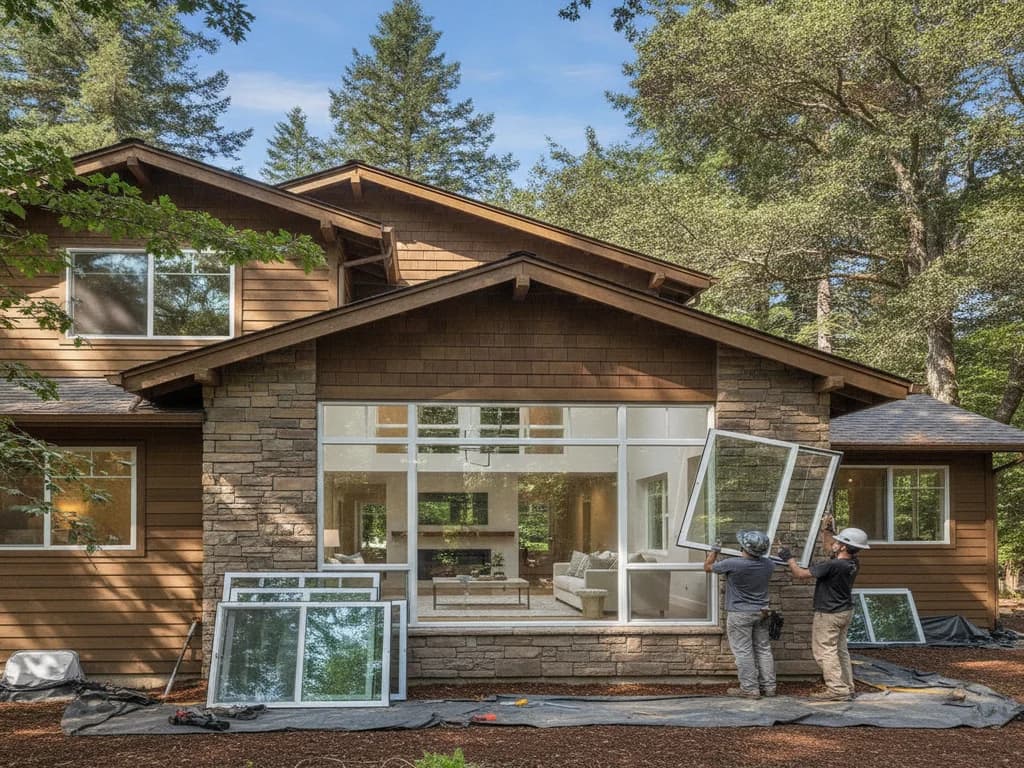
The foothills sit in a transitional zone, so the ideal window is a balancing act. On the NFRC label, a low SHGC (Solar Heat Gain Coefficient) keeps rooms from baking on a hot afternoon, while a low U-factor holds heat in during a cold foothill night. A dual-pane, low-E window tuned for your zone handles both, and Title 24 sets the maximum values your replacement glass must meet.
West- and south-facing rooms that overheat are the first to prioritize. Our window replacement service selects NFRC-rated glass for your climate zone and handles the permit Title 24 requires — and there is a wildfire benefit too, since dual-pane tempered glass resists the radiant heat that breaks single-pane windows during an ember event.
2. Attic and Wall Insulation
The highest-value upgrade in a swing climate
Insulation is the quiet workhorse of foothill comfort. In a climate that demands both cooling and heating, keeping conditioned air where it belongs matters more than almost anything else — and attic insulation is usually the biggest, most cost-effective improvement in an older foothill home, where original R-values often fall well short of current code.
Title 24 sets minimum R-values by climate zone and assembly. When a remodel opens up walls or you re-roof, it is the ideal moment to bring insulation up to standard, because the assemblies are already accessible. Pair attic insulation with proper ventilation so summer heat has a path out.
3. Air Sealing and Duct Sealing
Stop paying to condition air that leaks away
Even a well-insulated foothill home bleeds comfort through gaps — around recessed lights, top plates, rim joists, and especially leaky ductwork running through a hot attic. Sealing those leaks is inexpensive relative to its payoff and is often required verification under Title 24 when you replace an HVAC system or ducts.
Duct sealing deserves special attention here. Ducts that run through a 130-degree summer attic can lose a large share of the cool air they carry before it ever reaches a room. Sealing and, where possible, burying or insulating those ducts turns an underperforming system into an effective one without buying a bigger unit.
4. A Cool or Ignition-Resistant Roof
Reflect summer heat and harden against embers at once
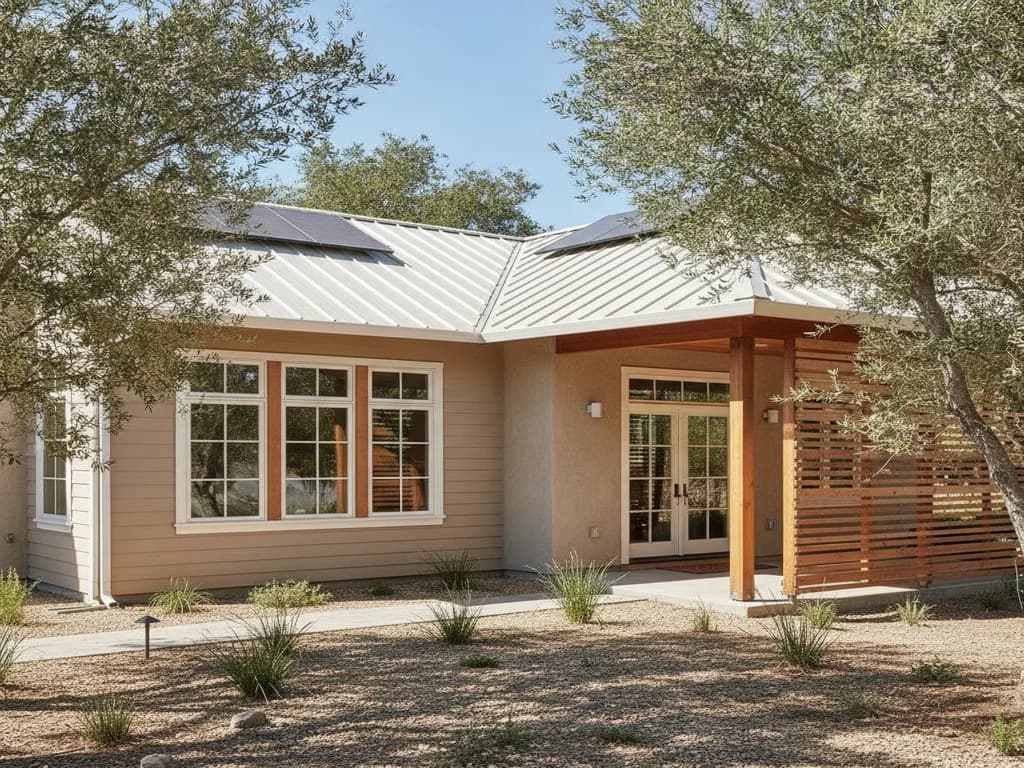
A dark, aging roof soaks up the foothill sun and radiates that heat into the attic all afternoon. Title 24 includes cool-roof provisions for many reroof and new-roof projects — reflective materials that shed solar heat and ease the cooling load below. In the foothills, that translates directly into a cooler upstairs and a less-strained air conditioner.
There is a second reason a reroof is worth doing well here: much of the foothills lies in the wildland-urban interface, where a Class A, ignition-resistant roof assembly is a cornerstone of home hardening. Choosing a cool roof that also meets WUI standards lets one project serve both energy efficiency and wildfire resilience.
5. A Right-Sized, Efficient HVAC System
Efficiency starts with correct sizing, not just a high SEER
Foothill homes need both robust cooling and dependable heating, which makes a modern heat pump — one system that does both efficiently — a strong fit. But the efficiency rating on the box only matters if the system is sized correctly for the improved envelope. An oversized unit short-cycles, wears out early, and dehumidifies poorly; an undersized one never keeps up on the hottest days.
The right sequence is envelope first: after you have upgraded windows, insulation, and air sealing, a proper load calculation often lets you install a smaller, cheaper, more efficient system than the one you replaced. Title 24 governs the equipment efficiency and the verification when you make the swap.
6. Heat-Pump Water Heating
The direction the code — and your utility bill — is heading
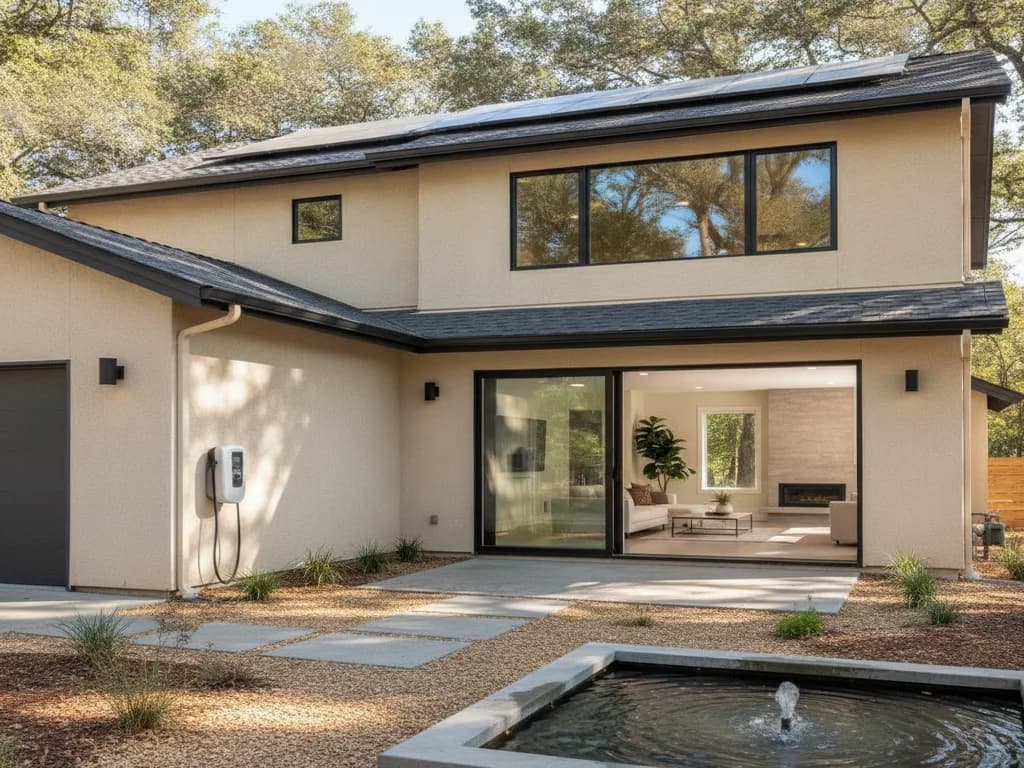
Water heating is a large slice of a home's energy use, and California's energy code increasingly favors high-efficiency heat-pump water heaters. They use a fraction of the energy of standard electric-resistance units and pair naturally with a home moving toward solar or all-electric systems, which is a common direction for foothill remodels adding an ADU or a major addition.
Placement matters in the foothills — a heat-pump water heater draws heat from the air around it, so a garage or utility space with adequate volume works better than a tight closet. Folding it into a broader remodel or a home addition is the efficient time to plan the location and any electrical work. When you are ready to scope a foothill project, request a free estimate and we will map the upgrades that make the most sense for your home and climate zone.
Does Title 24 apply to a remodel, or only to new homes?
Title 24 applies to many remodels, additions, and system replacements in existing foothill homes, not just new construction. When you replace windows, re-roof, add insulation as part of opening walls, or swap out HVAC and water-heating equipment, the relevant portions of the code come into play and the work is typically verified. The exact requirements depend on your climate zone and the current code edition, so confirm the standard for your address rather than assuming a fixed value.
Which Title 24 upgrade gives the best return in the foothills?
For most older foothill homes, attic insulation combined with air and duct sealing is the highest-value place to start, because a swing climate that needs both heating and cooling rewards keeping conditioned air where it belongs. Climate-zone-appropriate windows follow closely, especially on hot west- and south-facing rooms. The best approach is to improve the envelope first, then right-size the HVAC — that sequence often lets you install a smaller, more efficient system.
Can one roofing project meet both energy code and wildfire standards?
Often, yes. Title 24 includes cool-roof provisions for many reroof projects, and much of the foothills sits in the wildland-urban interface where a Class A, ignition-resistant roof assembly is central to home hardening. Choosing materials that satisfy both lets a single reroof improve summer comfort and wildfire resilience at the same time. A contractor familiar with foothill work can specify an assembly that meets both goals.
Do I have to hit the exact same energy numbers everywhere in the foothills?
No. California ties Title 24 requirements to climate zone, and the foothills span transitional zones that differ from the hot valley floor and from the high Sierra. That is why the right window, insulation level, and equipment efficiency for an Auburn home may differ from a home at higher elevation. The current code edition and your specific zone determine the required values, which is why we confirm them for each address rather than quoting one number.