Cooling a Central Valley Home
Summer in the Central Valley is a long, punishing test of a home's ability to stay cool. From Sacramento south through the valley, triple-digit afternoons stack up for weeks, and the air conditioner becomes the single largest driver of the summer utility bill. The good news is that cooling costs are one of the most controllable expenses in the house — a remodel is the ideal moment to attack them, because so many of the fixes live inside walls, attics, and roofs you are already touching.
The strategy that works here is layered: keep the sun's heat out, keep the cool air in, and then let a right-sized system do less work. No single fix is a silver bullet, but stacked together they compound. Here are ten upgrades — most tied to California's Title 24 energy code — that meaningfully cut cooling costs in a valley remodel. We talk in ranges and directions, not fabricated savings percentages, because your actual results depend on your home.
1. Low-SHGC Windows on the Hot Sides
Block solar heat before it enters the room
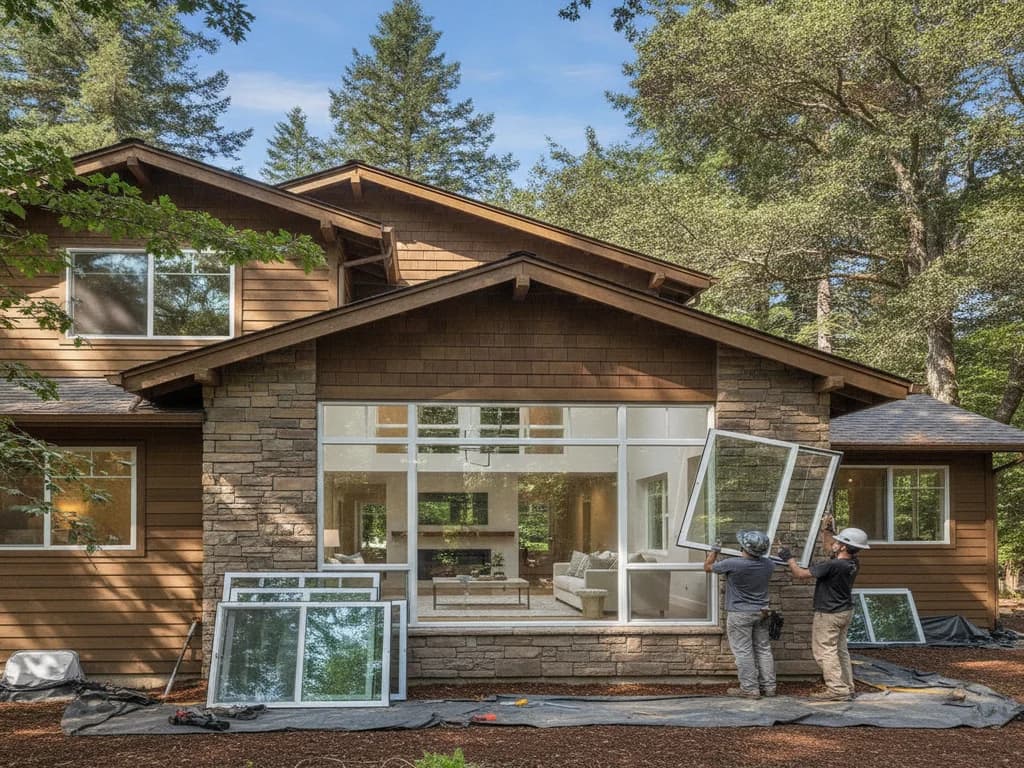
In the valley, the number that matters most on a window's NFRC label is SHGC — the Solar Heat Gain Coefficient. A low SHGC means the glass rejects more of the sun's heat, which is exactly the priority when cooling, not heating, is the challenge. West- and south-facing rooms that turn into ovens by mid-afternoon are where low-SHGC, low-E dual-pane glass pays off first.
Title 24 sets the maximum SHGC and U-factor your replacement windows must meet for your climate zone. Our window replacement service matches the glass to your zone and pulls the required permit, so the upgrade both lowers your bill and satisfies the code.
2. Deep Attic Insulation
The attic is where valley cooling is won or lost
A valley attic can hit 130 degrees or more on a summer afternoon, and that heat pushes down into your living space all day. Bringing attic insulation up to current Title 24 R-values is usually the highest-value cooling upgrade in an older valley home, where original insulation is often thin, compressed, or unevenly spread.
Because insulation is inexpensive relative to its impact, it is the first place we look. When a remodel already has the attic open or you are re-roofing, adding insulation costs less and goes in more completely than a standalone job.
3. A Cool Roof
Reflect the sun instead of absorbing it
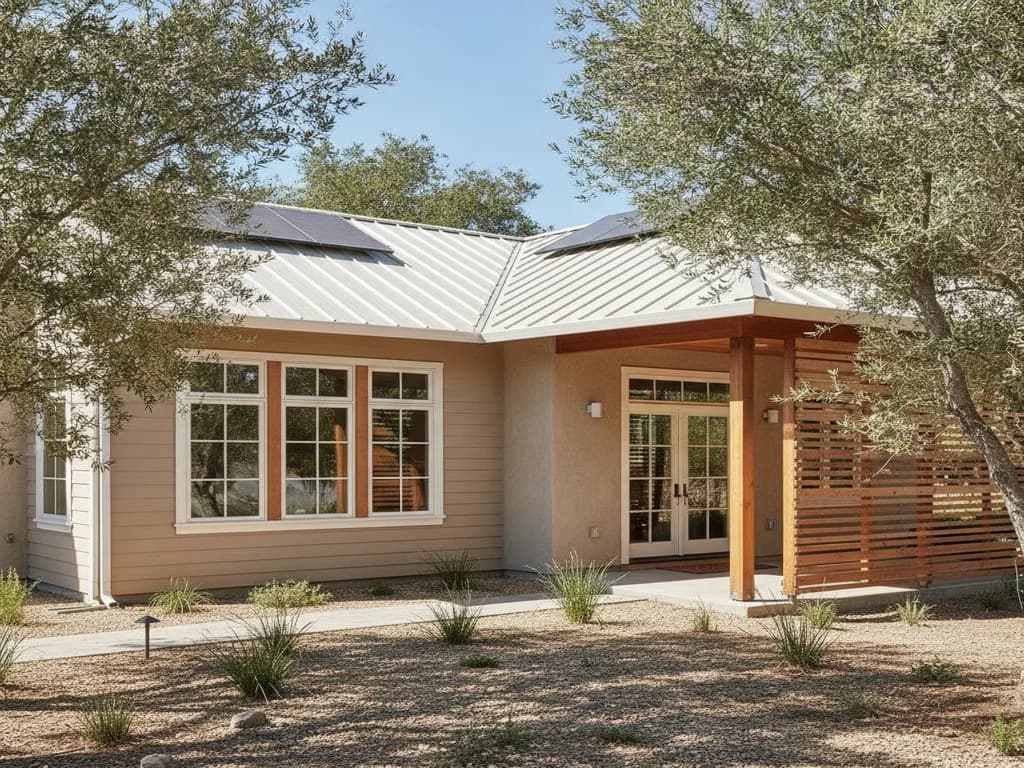
A dark, worn roof absorbs solar heat and bakes the attic beneath it. Cool-roof materials — reflective shingles, tiles, or coatings — shed a large share of that heat before it ever loads the attic, and Title 24 includes cool-roof provisions for many reroof projects in valley climate zones.
If your roof is nearing the end of its life anyway, choosing a cool-roof product for the replacement is one of the most effective ways to lower attic temperatures and, with them, your cooling load. It pairs naturally with upgraded attic insulation for a compounding effect.
4. Seal and Insulate the Ducts
Stop losing cold air in a superheated attic
Most valley homes run their ductwork through the attic — the hottest part of the house in summer. Leaky, poorly insulated ducts can lose a substantial fraction of the cool air they carry before it reaches a single room, which means your air conditioner runs longer to deliver less. Sealing those ducts is one of the cheapest, highest-impact fixes available.
Title 24 often requires duct-sealing verification when you replace an HVAC system, so a system swap is the natural time to address it. Insulating the ducts and, where feasible, burying them in attic insulation further protects the cold air in transit.
5. Air-Seal the Envelope
Close the gaps that let hot air leak in
Every gap around recessed lights, plumbing penetrations, top plates, and attic hatches is a path for hot outside air to leak in and cool inside air to escape. Air sealing is inexpensive, especially when walls or ceilings are already open during a remodel, and it multiplies the value of the insulation around it.
A tighter envelope also means your air conditioner cycles less and holds temperature more evenly, which improves comfort as much as cost. Combined with insulation and duct sealing, air sealing is part of the envelope-first foundation that every other cooling upgrade builds on.
6. Exterior Shading and Overhangs
Stop the sun at the wall, not the window
The most effective shade is on the outside of the glass, where it blocks heat before it enters. Deeper roof overhangs, patio covers, exterior screens, and well-placed landscaping all cut the solar load on a valley home — particularly on west-facing walls that take the brutal late-afternoon sun.
A covered patio or pergola does double duty: it shades the adjacent rooms and creates usable outdoor living space for the milder parts of the day. If you are already reworking the exterior, folding shading into a whole-home exterior project is an efficient way to address cooling and curb appeal together.
7. Right-Size a High-Efficiency HVAC System
Correct sizing matters as much as the efficiency rating
A high SEER rating only pays off if the system is sized correctly for your home. An oversized air conditioner short-cycles — blasting on and off — which wastes energy, wears out early, and leaves rooms unevenly cooled. An undersized one runs constantly and never catches up on a 105-degree day.
The right move is envelope first: once you have upgraded windows, insulation, ducts, and air sealing, a fresh load calculation often shows you need a smaller system than before. That means a lower equipment cost and lower running cost. Title 24 governs the equipment efficiency and verification when you replace it.
8. Move to a Heat Pump
One efficient system for cooling and heating
Modern heat pumps cool efficiently in summer and heat efficiently in the valley's mild winters, replacing both the air conditioner and the furnace with a single high-efficiency system. California's energy code increasingly favors them, and they pair naturally with solar and all-electric upgrades that many valley remodels are already heading toward.
As with any HVAC change, right-sizing against an improved envelope is what unlocks the savings. A heat pump on a leaky, under-insulated house underdelivers; on a tightened, well-insulated home it shines.
9. Attic and Whole-House Ventilation
Flush trapped heat and use cool evenings
Good attic ventilation gives daytime heat a path out instead of letting it build against your ceiling. Balanced intake and exhaust venting keeps the attic closer to outdoor temperature and protects your insulation's effectiveness.
The valley also has a secret weapon: cool nights. A whole-house fan pulls that cool evening air through the home and pushes the day's heat out through the attic, letting you rest the air conditioner during the shoulder hours. Used well, it can meaningfully trim the hours your compressor runs across a summer.
10. Smart Thermostats and Zoning
Cool the rooms you use, when you use them
A smart thermostat learns your schedule and eases off cooling when the house is empty or everyone is asleep, avoiding the waste of holding an empty home at a set temperature all afternoon. It is a modest cost with a steady, ongoing payback.
Zoning takes it further by conditioning the parts of the house you are actually using rather than the whole footprint at once — valuable in larger valley homes with hot upstairs bedrooms and cooler downstairs living areas. If you are planning a broader project, our general contracting team can coordinate controls and zoning with the rest of the work. When you are ready, request a free estimate.
What's the single best way to lower cooling costs in a Central Valley home?
There is no single silver bullet, but the highest-value starting point for most older valley homes is the attic — bringing insulation up to current Title 24 levels and sealing leaky ducts that run through the superheated attic space. Those two fixes keep cool air where it belongs and stop the biggest heat load from pushing down into your living space. Low-SHGC windows on hot west- and south-facing walls follow closely. The best results come from stacking these envelope improvements before touching the HVAC.
Should I replace my air conditioner to save on cooling?
Often the smarter first move is to improve the envelope — windows, insulation, ducts, and air sealing — before replacing the air conditioner. A tighter, better-insulated home frequently needs a smaller system than the one it is replacing, which lowers both the equipment cost and the running cost. If you replace the system first without addressing the envelope, you may pay for more capacity than you actually need. Title 24 governs the efficiency and verification when you do make the swap.
Do low-SHGC windows really help in the valley heat?
Yes. In the Central Valley, where the challenge is keeping solar heat out rather than holding heat in, a low Solar Heat Gain Coefficient is the window property that matters most. Low-SHGC, low-E dual-pane glass rejects much of the sun's heat before it enters the room, which is why it pays off first on hot west- and south-facing exposures. Title 24 sets the maximum SHGC and U-factor your replacement windows must meet for your climate zone.
Can a whole-house fan reduce my air conditioning use?
It can, because the Central Valley cools off significantly at night. A whole-house fan pulls cool evening and early-morning air through the home and exhausts the day's accumulated heat out through the attic, letting you turn off the air conditioner during those hours. It works best in a home with good attic ventilation and adequate insulation. Actual savings depend on your habits and how consistently the overnight temperatures drop.