The hardest part of a remodel is not choosing tile — it is building a budget you can trust. Homeowners come to us having read a national average online and worried it does not match the quotes they are getting. Usually it doesn't, and there are good, honest reasons why. This guide is about how to think about remodeling cost and return in Northern California so you can plan with clear eyes rather than a single misleading number.
We will not quote a dollar figure for your project on this page, because an honest number depends on your home, your scope, and your finishes. What we will do is explain what drives cost here, how to weigh resale return against how you actually live, and how to compare bids so the cheapest one is not just the one that left the most out. Where we reference figures, they come from named industry research — the Remodeling Cost vs. Value Report, Harvard's Joint Center for Housing Studies, NARI, and NAHB — and are framed as ranges and trends, never a promise for your home.
A note on numbers: everything here is framed as ranges and industry trends, attributed to named research. Nothing on this page is a quote. The only number that fits your home is a detailed, line-item proposal built from your actual scope.
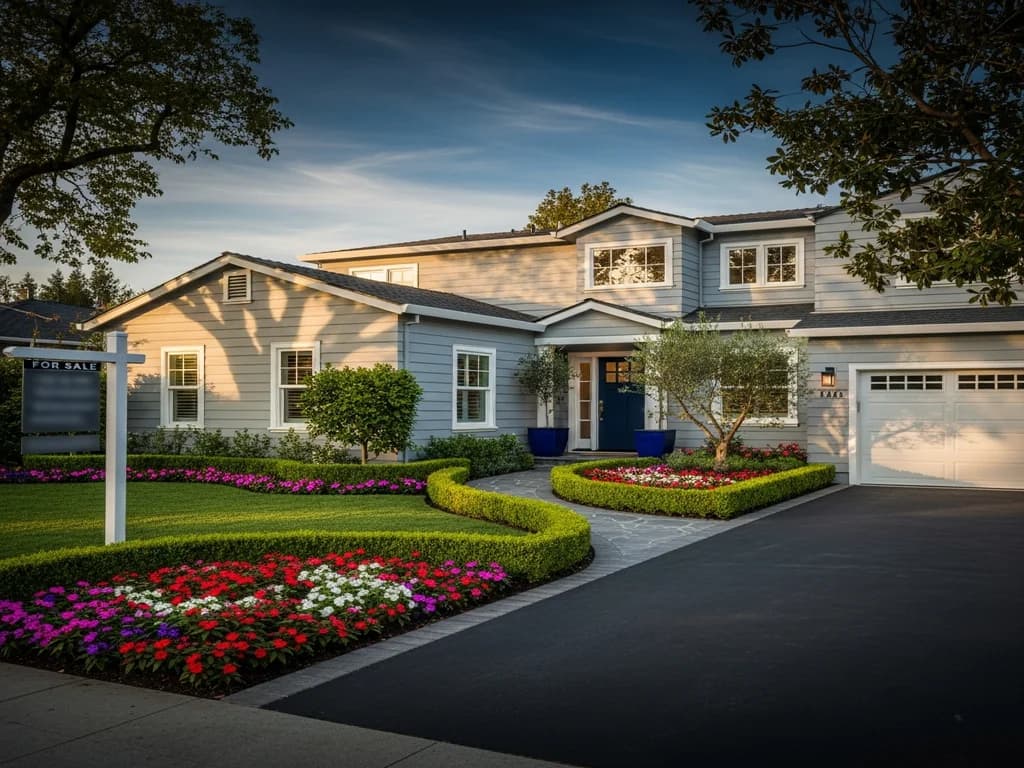
When a national average and a California quote disagree, the California quote is usually the honest one. Here is where the gap comes from.
California's cost of living and wage rates run above the national average, and skilled licensed trades are in high demand. Labor is a large share of any remodel, so this alone pushes local costs above the national figures that surveys report.
California jurisdictions have thorough permitting, plan check, and inspection processes. That protects you — but it adds time and soft cost that a national average built across cheaper, faster-permitting states does not capture.
Building in earthquake country means structural detailing, and older homes may need retrofit work that homes elsewhere never face. It is real, necessary cost that rarely shows up in a national benchmark.
California's energy standards require efficient windows, insulation, and HVAC when a remodel touches them. The result is a better home, but it is a code-driven cost layer that many other states do not impose.
Material prices, delivery logistics, and tight or hillside lots — common in the foothills and on the Peninsula — all add cost that a flat national number smooths away.
Every project sits differently on the cost-and-return spectrum. The Remodeling Cost vs. Value Report is the standard industry benchmark for resale recoup by project and region — use it as a compass, not a quote. Here is how the major projects tend to compare.
Kitchen remodel
The widest cost range of any project, because it spans a cosmetic refresh to a full gut with moved walls, new systems, and high-end finishes. Kitchens consistently rank among the better resale performers in the Cost vs. Value Report, and they are also the room families feel every day — so livability and return tend to point the same direction.
Kitchen cost guide →Bathroom remodel
Cost turns on size, whether plumbing moves, and finish level. Bathrooms are a reliable value project and, done well, a strong comfort and aging-in-place upgrade. A second or added bath changes the equation more than a like-for-like refresh.
Bathroom cost guide →Siding & exterior
Exterior replacement projects — siding especially — tend to be among the strongest resale performers in the Cost vs. Value Report, because curb appeal and envelope protection both register with buyers. Cost scales with wall area, material, and any hidden repairs found at tear-off.
Siding cost guide →ADU (accessory dwelling unit)
The biggest ticket of these projects, but a category of its own: an ADU adds livable square footage, rental potential, and multigenerational flexibility. UC Berkeley's Terner Center has documented the surge in California ADUs since the state's law changes — evidence the value proposition resonates here in a way national remodeling averages never capture.
ADU cost guide →Deck & outdoor living
A deck extends usable living space at a lower cost per square foot than conditioned space, and wood-deck additions have historically shown solid resale return in the Cost vs. Value Report. Material choice — wood versus composite — and structural detailing drive the number.
Deck cost guide →Resale recoup is the number everyone quotes, but it is only half the picture. Research from NAHB and NARI consistently finds daily enjoyment is a leading reason homeowners remodel — not just the eventual sale price.
Resale return is one lens, not the only one
The Remodeling Cost vs. Value Report is the go-to benchmark for how much of a project's cost a typical home recoups at resale. Exterior replacements often lead; big custom kitchens recoup a smaller share. But 'recoups less' is not 'not worth it' — it just means part of the value is the years you live in it.
Livability is real value you spend now
NAHB and NARI research on remodeling repeatedly finds that homeowner satisfaction and daily enjoyment are primary reasons people remodel — not just resale. A kitchen you love or a bath that lets you age in place returns value every single day, which no resale percentage captures.
How long you'll stay changes the math
If you are selling in a year, resale-friendly projects and neutral finishes matter more. If this is your forever home, optimize for how you live and worry less about the recoup percentage. Both are valid — the honest answer depends on your plans, which is where the conversation should start.
For the longer view of the U.S. remodeling market, Harvard's Joint Center for Housing Studies tracks spending trends and what drives homeowners to invest in their homes.
The surest way to blow a remodeling budget is to plan it with no room for surprises. On older Northern California homes, some hidden condition is the rule, not the exception — so a contingency reserve is part of a realistic budget.
- Set aside a contingency reserve for the unexpected — older Northern California homes routinely surface hidden conditions once walls open.
- Common surprises include dated wiring and plumbing, dry rot or pest damage, failed flashing, and pre-1978 lead paint that triggers EPA lead-safe work rules.
- Structural and seismic findings can appear when foundations or framing are exposed, especially on hillside and older homes.
- A contingency is not padding — it is the difference between a project that keeps moving and one that stalls when the first surprise appears.
- A good contractor prices the known scope firmly and tells you honestly where the risk of the unknown lives before you sign.
The lowest bid is often the one that left the most out. Compare on scope and terms, not just the bottom-line number.
- Compare scope, not just the bottom line — a lower bid often wins by leaving out demolition, permits, or repairs the others included.
- Insist on a written, line-item proposal so you can see what each price actually covers.
- Confirm how allowances (tile, fixtures, cabinets) are set, and what happens when your selections come in above or below them.
- Ask how change orders and hidden-condition repairs are priced, in writing, before work begins.
- Verify CSLB licensing, insurance, and a written workmanship warranty — the cheapest unlicensed bid is the most expensive mistake.
- Beware a bid far below the others; it usually signals missing scope, not a better deal.
Our companion article on questions to ask before hiring a contractor walks through this in more depth.
A remodel is a significant investment, and there is usually more than one way to pay for it. The right path depends on the project size and your finances.
Cash and savings
Simplest and cheapest — no interest — but tying up reserves means keeping the contingency intact for surprises.
Home equity (HELOC or loan)
Common for larger remodels and ADUs, borrowing against built-up equity. Rates and terms vary, so compare offers and understand the payment.
Renovation and contractor financing
Purpose-built renovation loans and contractor-arranged financing can spread cost over time. We can walk you through the options available for your project.
Whatever you decide, start with a detailed, line-item proposal for your actual project. A real number turns budgeting and financing from guesswork into a plan — which is exactly how we quote every Northern California remodel.