Bathrooms and kitchens are consistently the two rooms buyers scrutinize most, so it is fair to ask whether a bathroom remodel pays off when you sell. The honest answer: a well-planned bathroom remodel is one of the more reliable improvements for resale, but the return depends heavily on what you do, how well it is built, and how long you stay — not just on how much you spend.
We will not quote you a specific percentage return, because an honest ROI depends on your home, your market, and your finishes. What we can do is explain what actually drives value in a bathroom, where national data is useful as a sanity check, and the mistakes that quietly erase your return.
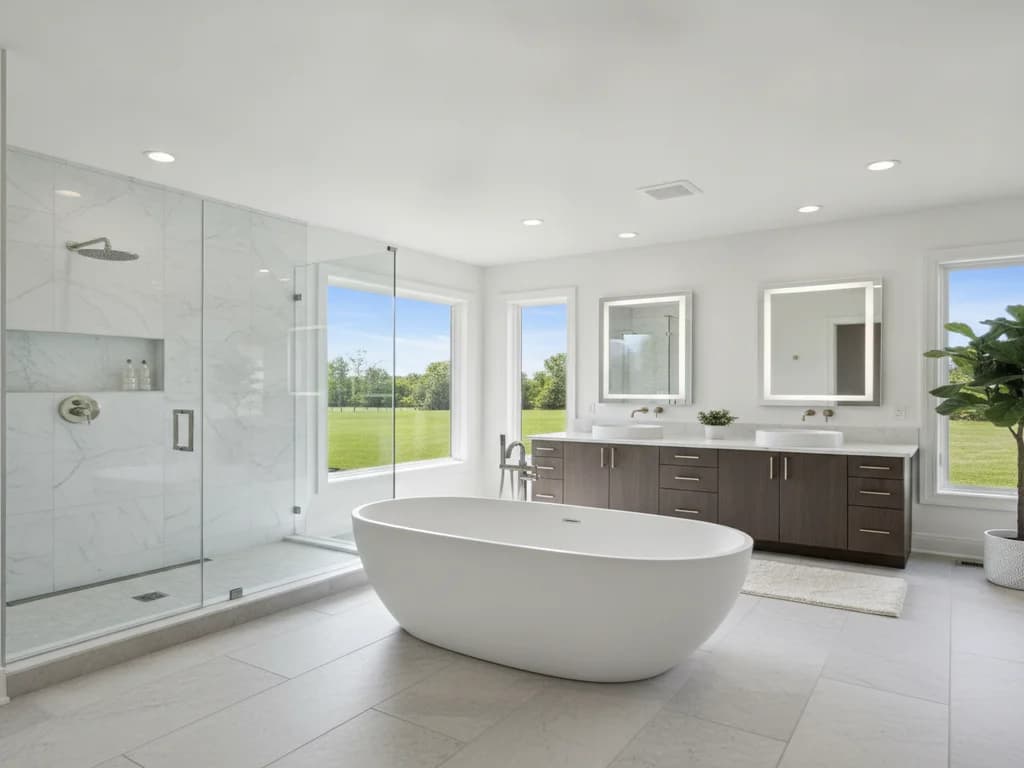
Quality you cannot see
Proper waterproofing and ventilation protect the whole remodel and reassure a buyer's home inspector. A shower that fails behind the tile is the fastest way to turn a remodel into a liability. Built-right is a resale feature, even when it is invisible.
Neutral, timeless finishes
Broadly appealing tile, counters, and fixtures age well and attract the widest pool of buyers. Highly personalized colors and trendy statements can date quickly and narrow your market.
Keeping a tub in the home
Most buyers, especially families, want at least one bathtub in the house. Converting a rarely-used tub to a walk-in shower is popular and smart — as long as another bathroom keeps a tub.
Universal, age-friendly design
Curbless entries, grab-bar blocking, comfort-height fixtures, and good lighting appeal to a broad, aging buyer base and read as thoughtful, current design rather than medical.
Adding a bathroom where it fits
In homes short on bathrooms, adding a half or full bath where the layout allows can move the needle on value more than upgrading an existing one — and in California, adding a bath as part of an ADU can broaden the home's appeal further.
A midrange bathroom remodel generally returns a higher share of its cost than an upscale one, because it brings the bathroom up to what buyers expect without over-investing beyond what the home and neighborhood support. An upscale renovation earns its keep in a higher-end home where buyers expect that level. The real lever is matching the remodel to the house — over-improving a single bathroom far past the rest of the home is where returns fall off.
- Over-personalizing with bold, trend-driven finishes that narrow the buyer pool.
- Skimping on waterproofing or ventilation — the failures a home inspector finds.
- Removing the home's only tub, leaving no bathtub for families.
- Over-improving one bathroom far beyond the level of the rest of the house.
- Cheap fixtures and fittings that look dated within a few years.
- DIY or unpermitted work that raises questions at inspection and sale.
Northern California buyers expect a primary bath that feels current, and dated, all-original bathrooms are one of the first things flagged in the region's older homes — the mid-century ranches of Arden and Carmichael, the craftsman and Victorian stock of Midtown and East Sacramento, and the older cottages of Auburn, Grass Valley, and Nevada City. That is where a remodel earns its keep — not by being lavish, but by removing the objection. A clean, well-built, neutral bathroom takes a negative off the table and lets the home show at its best.
It is also worth matching the remodel to the home. A modest, tasteful update returns better in a mid-market Sacramento or Roseville neighborhood than a luxury renovation the block will not support, while a higher-end home in Granite Bay, El Dorado Hills, or the Bay Area rewards a more upscale bath. National industry surveys such as Remodeling magazine's annual Cost vs. Value report track typical bathroom returns by region and are a useful sanity check — but treat them as a reference point, never a guarantee for your specific home.