Remodeling a Gold-Rush-Era Home
Nevada City and Grass Valley hold some of the best-preserved Gold-Rush-era architecture in California — Victorians, Queen Annes, Italianates, and early Craftsman bungalows lining walkable historic districts. Remodeling one of these homes is deeply rewarding, but it is not the same as updating a tract house. You are balancing modern comfort and safety against the character that makes these homes special, and often against a local historic design-review process.
The homes were also built with the materials and methods of the 1850s through early 1900s — balloon framing, single-wall construction, old-growth wood, lath-and-plaster, and stone or brick foundations. That means surprises behind the walls and details worth saving. These eight tips will help you approach a Nevada City or Grass Valley remodel in a way that honors the home, keeps you on the right side of local review, and still delivers a comfortable, safer place to live.
1. Understand Historic Design Review First
Know the rules before you draw plans
Both Nevada City and Grass Valley have designated historic districts, and exterior changes visible from the street — windows, siding, roofing, paint colors, porches, additions — can be subject to historic design review before permits are issued. Starting that conversation early, rather than after plans are drawn, saves months of rework.
Review generally focuses on preserving the character of the streetscape, so like-for-like repairs and historically appropriate materials clear more easily than modern substitutions. Confirm your property's status and the applicable guidelines with the city before committing to a design, and expect exterior decisions to carry more scrutiny than interior ones.
2. Preserve the Character-Defining Details
Original details are the whole point
The features that make a Victorian or Craftsman worth owning — turned porch posts, gingerbread trim, corbels, bargeboards, original doors, wavy-glass windows, wood clapboard, and period hardware — are also the hardest to replace convincingly. Identify these character-defining elements early and plan to repair rather than remove them wherever possible.
When something truly must be replaced, matching the profile, proportion, and material keeps the home reading as authentic. Salvaged period pieces and custom millwork are often worth the effort on a historic Nevada City or Grass Valley home, both for character and for design-review approval.
3. Repair or Match Historic Windows Carefully
Original windows are usually reviewable — and repairable
Old wood windows are frequently a character-defining feature and among the most closely scrutinized items in historic review. Wholesale replacement with modern vinyl is often discouraged in a historic district. Many original double-hung sashes can be repaired, weatherstripped, and paired with a storm window to dramatically improve comfort while keeping the historic glass and profile.
Where replacement is genuinely necessary, matching the sightlines, muntin pattern, and material — typically wood or a historically appropriate profile — is what keeps the facade intact. Our window replacement team can advise on repair-versus-replace within review constraints.
4. Match Siding and Trim Profiles
Profile and reveal matter as much as material
Historic homes wear specific siding profiles — narrow clapboard, drop siding, board-and-batten, decorative shingles in the gables — and the exposure (reveal) and trim details are part of what makes them read as period-correct. When siding must be repaired or replaced, matching that profile and reveal is essential, both for authenticity and for design review.
Where a homeowner wants the durability of fiber cement, some profiles can approximate historic clapboard, but the choice should be vetted against local guidelines and the specific streetscape first. Our siding installation team can help evaluate historically compatible options, and our exterior painting service can execute a period-appropriate color scheme.
5. Modernize Systems Discreetly
New comfort, hidden behind old walls
Gold-Rush-era homes often still carry knob-and-tube wiring, minimal insulation, aging galvanized plumbing, and no real HVAC. Bringing these up to modern standards is often the most valuable — and least visible — part of a historic remodel. The art is routing new systems without gutting original plaster, trim, and finishes.
Careful planning lets you upgrade electrical, plumbing, insulation, and heating and cooling while preserving the interior character. This work also improves safety in homes built long before modern codes, which is a quiet but important reason to prioritize it.
6. Update Kitchens and Baths in Keeping
Modern function, period sensibility
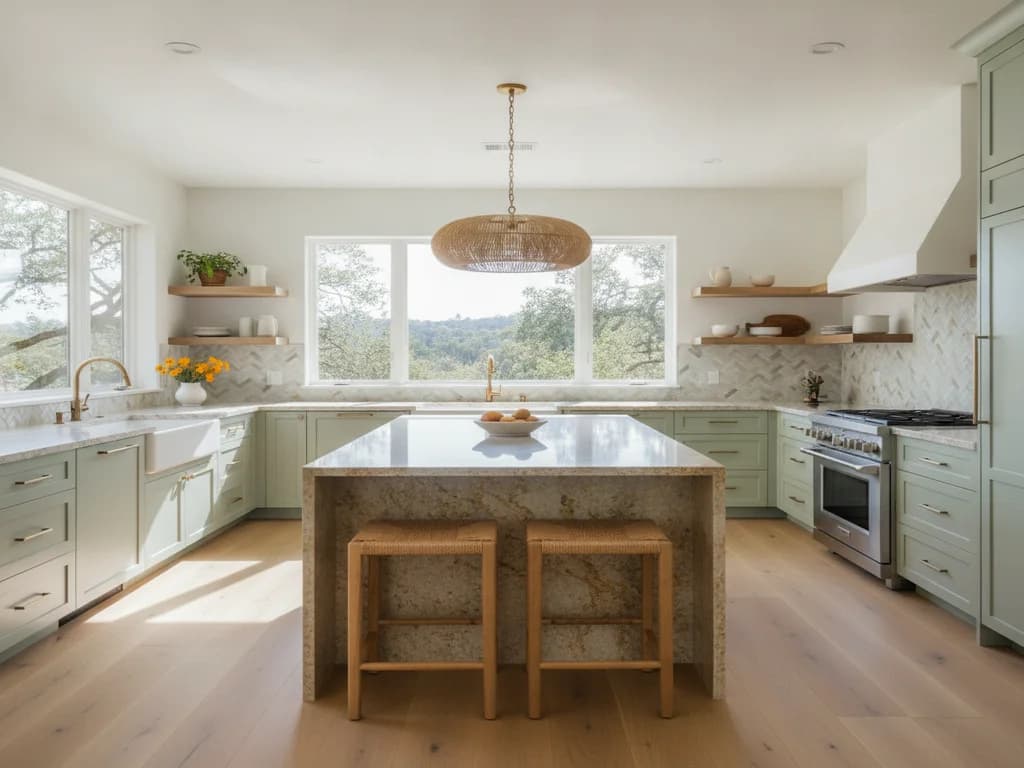
Kitchens and bathrooms are where historic homeowners most want modern function, and interior spaces usually fall outside design review, giving you more freedom. The goal is updates that feel in keeping with the home rather than jarringly contemporary — think shaker or period-inspired cabinetry, honest materials, apron sinks, and fixtures that nod to the era while working like new.
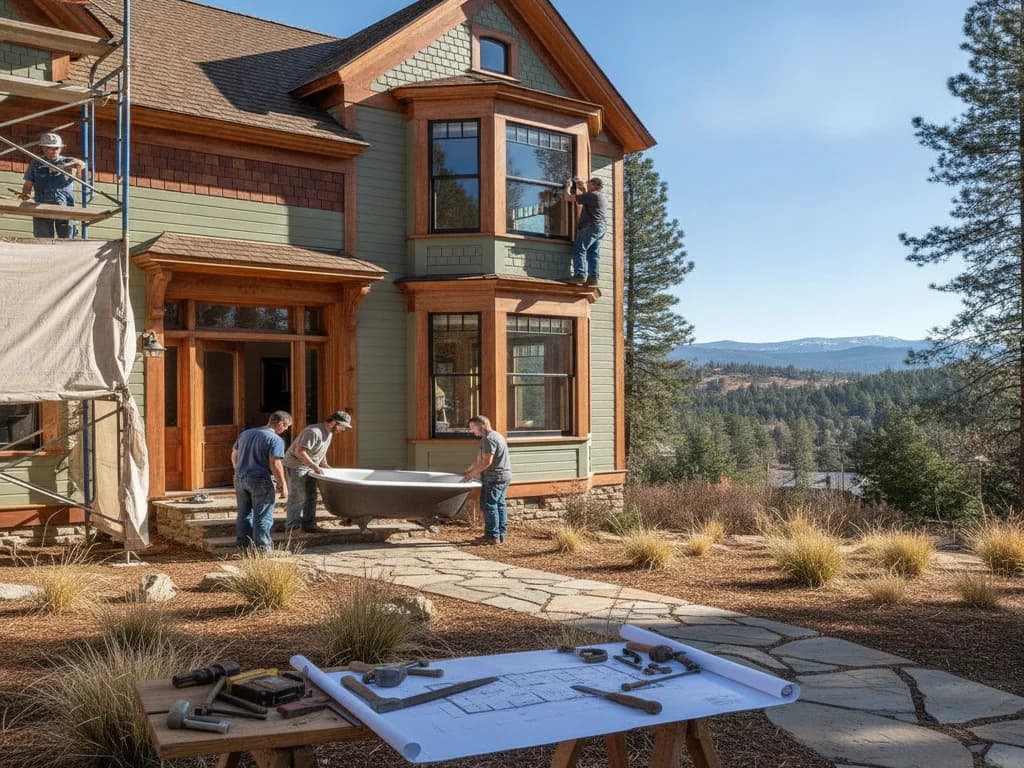
Salvaging or reproducing period details — a clawfoot tub, hex or subway tile, beadboard, vintage-style hardware — lets a fully modern kitchen or bath still belong to a Victorian or Craftsman. Our whole-home remodeling team can coordinate these interior updates alongside exterior work.
7. Harden Against Wildfire Without Losing Character
Reducing ignition risk on a historic home
Nevada City and Grass Valley sit in the forested foothills, squarely in wildfire country. Older homes were not built to today's Wildland-Urban Interface standards, and their wood siding, open eaves, and unscreened vents can be vulnerable. Hardening does not make a home fireproof and does not eliminate risk, but it meaningfully reduces the chance of ignition — and much of it can be done sympathetically.
Retrofitting vents with 1/8-inch metal mesh, clearing gutters and the first five feet around the house (Zone 0), and adding ignition-resistant details can be handled without stripping a home's historic look. Cal Fire's readyforwildfire.org and the Office of the State Fire Marshal outline the priorities; our home hardening service applies them to older homes with an eye toward preserving character.
8. Work With a Team That Respects Old Homes
Experience with historic construction matters
Remodeling a 120-year-old home rewards patience and craft. Balloon framing, plaster over lath, out-of-square walls, and old-growth wood all behave differently than modern construction, and surprises behind the walls are normal. A team that respects the home's history — that knows when to repair rather than replace and how to work within historic review — protects both the character and your budget.
If you are planning a project on a Nevada City or Grass Valley historic home, we would welcome the conversation. Request a free estimate and we will walk the property, talk through what is worth preserving, and map the path through local review. For a broader look at foothill and mountain projects, see our Tahoe and Truckee remodeling guide.
Do I need historic design review to remodel in Nevada City or Grass Valley?
If your home is in a designated historic district, exterior changes visible from the street — windows, siding, roofing, paint, porches, and additions — can be subject to historic design review before permits are issued. Interior work usually is not. The best move is to confirm your property's status and the applicable guidelines with the city early, before plans are finalized, so the design accounts for review from the start.
Can I replace the original windows in a historic foothill home?
Sometimes, but wholesale replacement with modern vinyl is often discouraged in a historic district because original windows are frequently a character-defining feature. Many original wood sashes can be repaired, weatherstripped, and paired with storm windows to improve comfort while keeping the historic glass. Where replacement is genuinely needed, matching the sightlines, muntin pattern, and material is what keeps approval smooth and the facade authentic.
How do I make a historic home safer from wildfire without ruining its look?
Much of the highest-value hardening is nearly invisible: retrofitting vents with 1/8-inch metal mesh, keeping gutters clean, and clearing combustibles from the first five feet around the house (Zone 0). These steps reduce ignition risk without altering the home's historic character. It is important to be honest that no home is fireproof and hardening cannot eliminate wildfire risk, but it does meaningfully lower the chance of ignition.
What surprises are common when remodeling a Gold-Rush-era home?
Homes from the 1850s through early 1900s often have balloon framing, knob-and-tube wiring, galvanized plumbing, minimal insulation, lath-and-plaster walls, and out-of-square or settled framing. Opening a wall can reveal past repairs, hidden damage, or non-standard construction. Budgeting some contingency and working with a team experienced in historic construction is the realistic way to handle the unknowns behind old walls.